Recent Posts

Which countries are best for road trips? See the top 5 in the world

Which countries are best for road trips? See the top 5 in the world

The highly transmissible omicron Covid-19 variant has some travelers thinking twice about air travel again. While travel bookings are surging this year, some people are sticking with one of the biggest trends to have emerged from the pandemic: the road trip. “With driving you can 

National Plan for Vacation Day: All the best travel deals

National Plan for Vacation Day: All the best travel deals

According to the US Travel Association, “National Plan for Vacation Day” — which is held annually on the last Tuesday of January — is meant to encourage Americans to plan their vacation days at the start of the year. The day aims to “highlight the 

The world’s best-selling airplanes | CNN Travel

The world’s best-selling airplanes | CNN Travel

Editor’s Note — Sign up for Unlocking the World, CNN Travel’s weekly newsletter. Get news about destinations opening and closing, inspiration for future adventures, plus the latest in aviation, food and drink, where to stay and other travel developments.

(CNN) — Size, energy efficiency, cargo and passenger load, comfort and cost. There are a lot of factors involved in making an airplane design appealing to airlines and, in turn, their customers.

But which are the best-selling civil airplanes of all time, and what made them stand out from the rest? Let’s take a look at the top eight, based on total deliveries as of December 31, 2021.

8. Airbus A330

In production: 1992 to present

Deliveries so far: 1,527

The wide-body A330 went into service 28 years ago this month, and was conceived by its European manufacturer Airbus as a successor to the A300 — the world’s first twin-engine wide-body plane.

The 63.66-meter long A330-300 was the first variant, with capacity for up to 440 passengers, and a versatility that meant it was suitable for both short-haul trips and long-range distances of up to 6,350 nautical miles.

It was followed by the smaller-scale A330-200, and then later the two “neo” craft, the A330-800 and A339-900, both with revolutionary curved wingtips.

7. Boeing 747

In production: 1968 to present

Deliveries so far: 1,527

Affectionately known as “Queen of the Skies,” the four-engine 747 was the first wide-body plane and the original “jumbo jet.”

It entered service in 1970 with legendary airline Pan Am and soon became synonymous with the glamorous age of international travel. Since 1990, it’s been the US presidential choice, with the Air Force One fleet comprising two customized 747-200Bs.

In recent years, many airlines have been replacing their passenger 747s with bigger, more efficient twin-engine planes.

Boeing expects to deliver the last ever jumbo — 747-8 Freighter — to customer Atlas Air later this year.

As airlines such as Air France begin to phase out the iconic Boeing 747 Jumbo Jets, here are some interesting facts about the “queen of the skies.”

6. Boeing 777

In production: 1993 to present

Deliveries so far: 1,677

The twin-engined “Triple Seven” isn’t as humungous as the Queen of the Skies, but at nearly 64 meters in length the long-range wide-body is still longer than seven telephone poles laid end to end and can accommodate 440 passengers.

It was the first jetliner to be wholly designed by computer and the first Boeing aircraft to have weight-saving, computer-operated “fly-by-wire” controls.

It’s now a growing family of eight variants, with the extra-large 777X aircraft — the 777-8 and 777-9 — the newest additions. The much-delayed 777X-9 is projected to enter service in 2024 while production of the 777X-8 has yet to begin.

5. Boeing 727

In production: 1962 to 1984

Deliveries: 1,832

This mid-sized plane, with a T-shaped tail and three rear-mounted engines, had range for transoceanic flights but was also versatile enough to land on short runways at smaller airports.

Boeing’s original plan was to build just 250 of the craft, but it would go on to be the first commercial airplane to reach the 1,000-sales milestone.

In one of aviation’s greatest unsolved mysteries, in 1971 a man known as D.B. Cooper hijacked a 727 in the northwest United States before parachuting to the ground with $200,000 of stolen cash strapped to his body.

The audacious escape was only possible because an early design quirk of the 727 meant that the rear door could be opened mid-flight.

The Boeing 727 jet airliner makes its debut in 1962.

The Boeing 727 jet airliner makes its debut in 1962.

AFP via Getty Image

4. Bombardier CRJ

In production: 1991 to 2020

Deliveries: 1,945

Regional jets are smaller planes, usually with fewer than 100 seats, that are designed for short-haul routes. The Bombardier Canadair Regional Jet family is the best-selling of its kind.

Canadian manufacturer Bombardier launched the program with the 50-seat CRJ, which was certified in 1992, before expanding with the 70-seat CRJ700 in 1997, the 86-seat CRJ900 in 2000 and the 100-seat CRJ1000 in 2007.

The last of the popular short-hop jets was delivered to Utah-based SkyWest Airlines in February 2021.

NEW YORK - AUGUST 24 : A Bombardier CRJ-900LR operated by Delta Airlines takes off from JFK Airport on August 24, 2019 in the Queens borough of New York City. (Photo by Bruce Bennett/Getty Images) (Photo by Bruce Bennett/Getty Images)

A Bombardier CRJ-900LR operated by Delta Airlines takes off from JFK Airport in 2019.

Bruce Bennett/Getty Images

3. Airbus A320

In production: 1986 to present

Deliveries: 10,176

This is where the competition starts to get serious. Airbus delivered its 10,000th A320 last summer and, if we were basing this list on orders as well as deliveries, the A320 overtook the Boeing 737 as the 21st century’s most popular plane back in 2019.

The first A320 entered service in March 1988 and the twin-engine single-aisle craft has clocked up more than 280 million flight hours in the years since.

Variants include the A318, A319 and A321, while the A320neo family was introduced into service in 2016.

An Airbus A320-232 operated by JetBlue takes off from JFK Airport in 2019.

An Airbus A320-232 operated by JetBlue takes off from JFK Airport in 2019.

Bruce Bennett/Getty Images

2. Boeing 737

In production: 1968 to present

Deliveries: 10,877

The Boeing 737 and the Airbus A320 are the aviation stalwarts that most of us will have flown in on many, many occasions.

The narrow-body classic has been traversing the skies for more than half a century, and the improved Next-Generation civilian version was produced from 1996 to 2019.

However, the much-publicized problems with the fourth-generation 737 MAX, which was involved in two fatal accidents in 2018 and 2019, have damaged Boeing’s reputation and profits.

Major airlines are removing some 737 Max planes from service after Boeing announced carriers need to address a potential electrical issue.

1. Cessna 172

In production: 1968 to present

Deliveries: 45,000 and counting

While the 737 and A320 are the world’s top passenger jetliners, the plucky little four-seater Cessna 172 is the most successful civil aircraft in history, with more than 45,000 of them reported to have been built.

Its primary use is as a training plane, and generation after generation of pilots have cut their teeth in them. The high wings on this single-engine craft give pilots better visibility, making it easier to get their bearings on the world around them and also to land.

The large cabin doors make it simple for trainees and instructor to hop in and out, meaning that this is a popular design classic that’s endured.

An American Flyers Pilot Training School instructor and student taxi in their Cessna 172 single-engine plane January 7, 2002 at Palwaukee Municipal Airport in Wheeling, IL. Spotting dangerous pilots is not an easy task, flight schools say. Few flight schools have security measures in place that could have averted a Florida teen-ager who crashed a small plane into a skyscraper. Instructors say even with the heightened awareness after the September attacks, there is little they can do to identify a dangerous would-be pilot, though some are reviewing their security procedures. (Photo by Tim Boyle/Getty Images)

An American Flyers Pilot Training School instructor and student taxi in their Cessna 172 single-engine plane in Illinois in 2002.

Tim Boyle/Getty Images

Jack Guy and Howard Slutsken contributed to this report.

International SOS Advises on Travel and Health Tips for 2022 Chinese New Year

International SOS Advises on Travel and Health Tips for 2022 Chinese New Year

Worldwide SOS KUALA LUMPUR, MALAYSIA, January 27, 2022 /EINPresswire.com/ — As we enter the Chinese 12 months of the Tiger, International SOS urges organisations and their employees to keep on to be aware of the possible wellness pitfalls from the pandemic and measures to cut 

UK travel industry forecasts summer boom amid surge in holiday bookings | Travel & leisure

UK travel industry forecasts summer boom amid surge in holiday bookings | Travel & leisure

Vacation businesses are reporting a bounce-again in bookings, with easyJet and Saga predicting a summer surge as the effects of Omicron on shopper assurance wanes, and the government’s go to lift testing and vacation limits pushes capacity again to around pre-pandemic degrees. Seaside bookings are 

Explore History: Camano’s long history as a vacation destination | News

Explore History: Camano’s long history as a vacation destination | News

Renowned Pacific Northwest adventurer Eddie Bauer was a big fan of fishing off Camano Island.

In the 1920s, Bauer and other movers and shakers proclaimed Camano Island’s pristine waters and unspoiled beaches the ideal vacation spot in a series of articles and advertisements. They would come to the island to catch a big king salmon, dig up buckets of clams and spend the day beachcombing.

For decades, Camano Island, nestled between the mainland and Whidbey Island in the northern Salish Sea, was a resort paradise for the greater Seattle area. In its heyday, the island featured about 20 waterfront resorts attracting thousands of people each summer.


Cama Beach

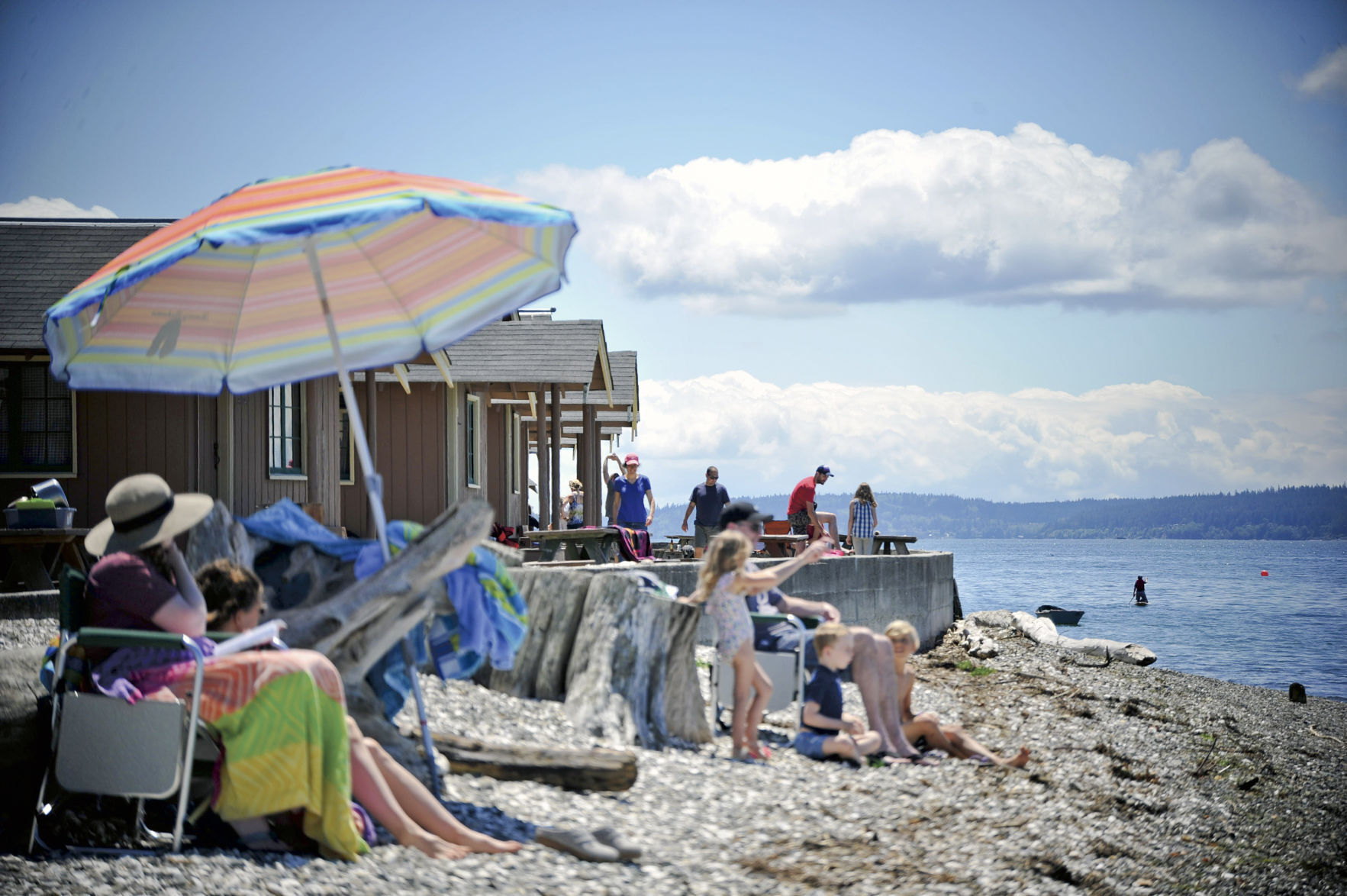
Cama Beach, a former logging camp on Camano Island and later a resort, was placed on the National Register of Historic Places in 2001. It is now a state park.


Early history

Camano Island was known by Indigenous people as Kal-lut-chin, which means “land jutting into a bay.”

Archaeological evidence shows that the island, with its 52 miles of shoreline, was an important area for tribes such as the Snohomish and Kikiallis for hunting, fishing, clamming and gathering a variety of marine life.

Their culture was forever changed with the arrival of Euro-American in the mid-19th century and the 1855 Treaty of Point Elliot, where the Indigenous people ceded the land as part of the agreement.

With the resulting land privatization, more Europeans arrived, and development began with the logging of massive Douglas fir and western red cedar.

Records show that by the 1890s, over a dozen logging operations were in full swing on Camano. The extensive logging and clearing of land not only resulted in a viable place for agriculture, but the ensuing roads allowed access to shorelines that had previously only been reachable by boat.

A bridge built in 1909 connecting Camano to the mainland and the rising availability of car ownership in the 1920s created even greater accessibility.

In their book, “Camano Island: Life and Times in Island Paradise,” authors Art Kimball and John Dean describe how traffic evolved: “In 1912, there were only 27 cars on Whidbey and Camano combined; one Camano man owned a motorcycle. Fifteen years later, in 1927, 2,570 cars crossed the bridge to the island on an August Sunday, a number which would only increase.”


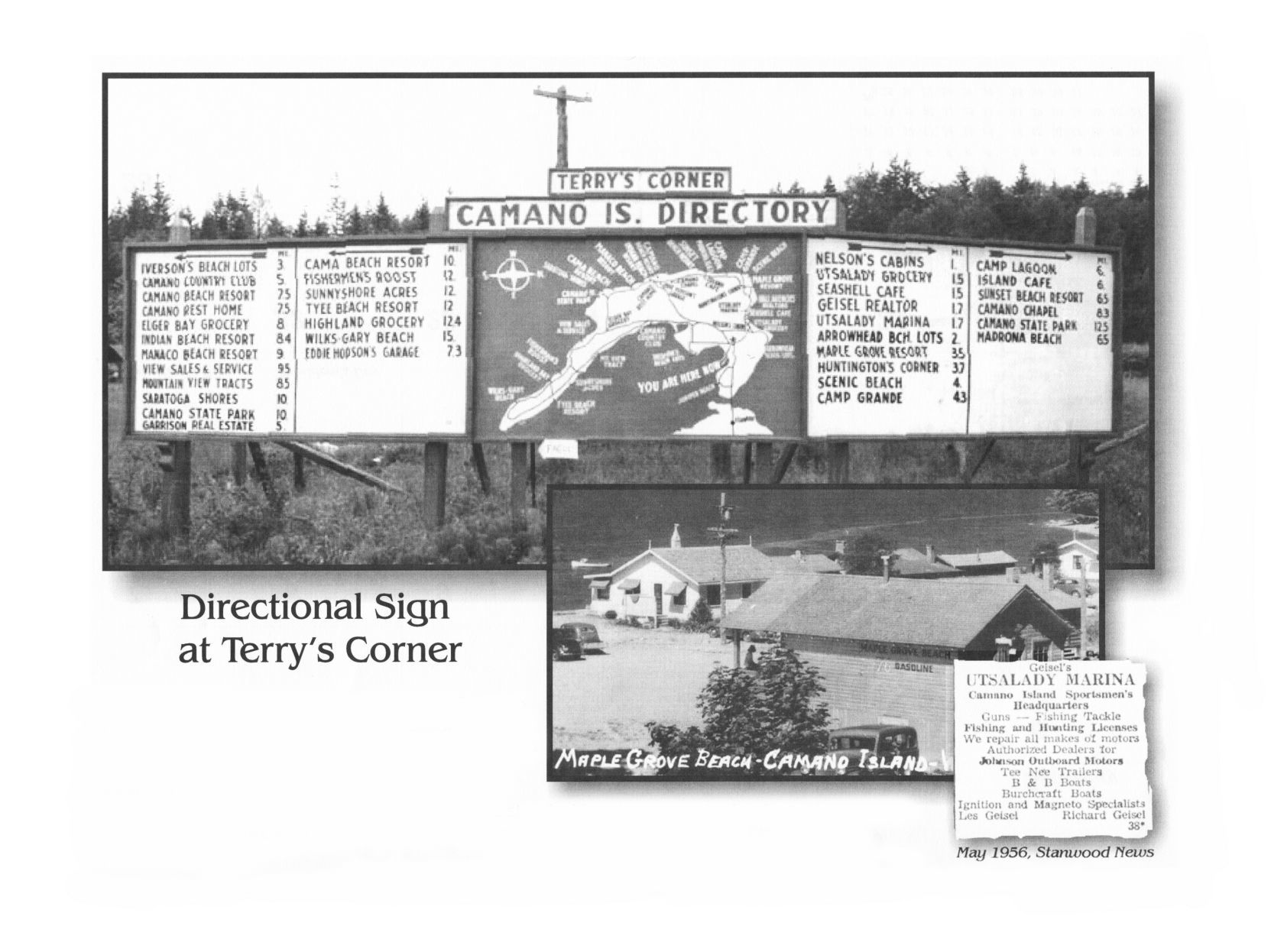
Terry’s Corner

The Camano Island Directory in earlier days at Terry’s Corner included many resorts and locations which no long exist or are very different. This sign was flattened by high winds in March 1967 but was back on its stand due to Camano Chamber of Commerce workers. Inset picture shows Maple Grove Resort; cars at far left give clue to when photo was taken.


The start of recreation

Kimball and Dean recount the earliest days of Camano Island’s outdoor enthusiasts, “Locals were camping off Rocky Point as early as 1900, which recorded 38 tents and 150 people in the summer of 1905.”

These early campgrounds evolved into “auto parks” where visitors could park their vehicles, camp and enjoy fishing and clamming at places like Utsalady, Camano City, Indian Beach, Juniper Beach and Mabana.

Soon resorts were established.

“Between 1920 and 1960, about 20 resorts were established, often changing owners many times, providing fishing boats and cabins for vacation rental,” Karen Prasse wrote in her history book, “Camano Island.”

The resorts ranged from a handful of rustic cabins at Pebble Beach Resort on the south end to fancier resorts with deluxe bungalows, stores, gas pumps and boat rentals at several north-end beaches including Maple Grove and Utsalady.

On the west side of Camano, a variety of resorts with varying amenities could be found at Indian Beach, Camano City, Sunset Beach and Manaco Beach, among others.


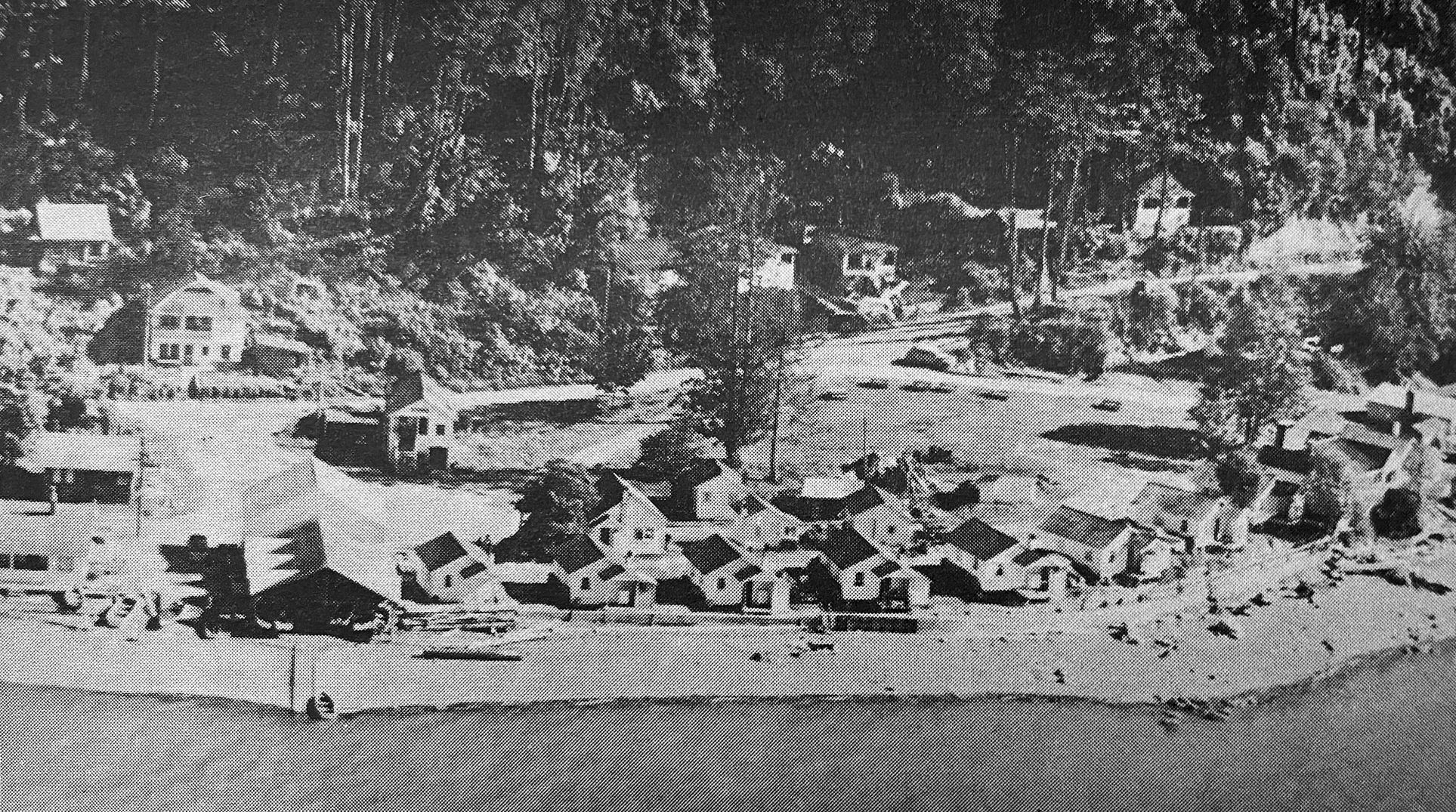
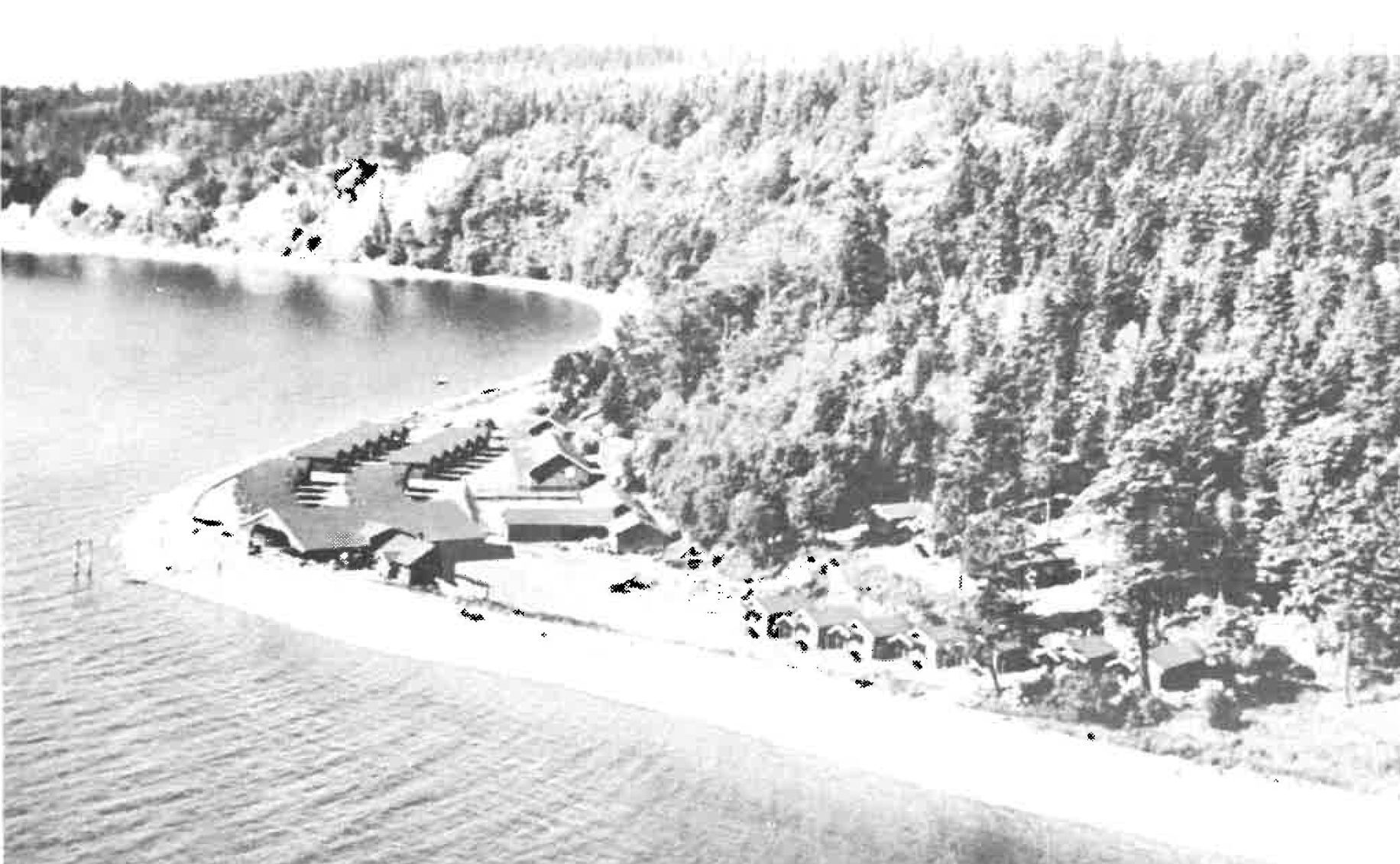
a1-maple.jpg

Maple Grove Resort seen from the air in this photo from the 1920s or 1930s.


In “Camano Island: Life and Times in Island Paradise,” the authors describe popular, family-friendly resort activities, such as Fourth of July celebrations, picnics and beach walks that were enjoyed by vacationers throughout the summer.

In 1927, the Madrona Beach resort was particularly popular.

“There was free parking and camping near the beach, and over 1,000 people came for the swimming, boating and fishing one summer day that year,” Kimball and Dean wrote.

Fishing derbies sponsored by many of the resorts offering hundreds of dollars in prize money were a big draw.

Local author Jason Dorsey’s book, “The Beaches of Camano Island,” describes a successful derby catch, “Fishermen from the resort at Tyee Beach fished Camano Head, and Anita Moore caught a 25-pound King salmon there in August of 1925.”

With easy access, Camano resorts were also a convenient place for extended stays for greater Seattle-area families.

“Many families would spend the whole summer on Camano; father would drive back to the city to work during the week and mom and the kids would stay to enjoy the beaches and outdoors,” wrote Prasse, who also serves as president of the Stanwood Area Historical Society.


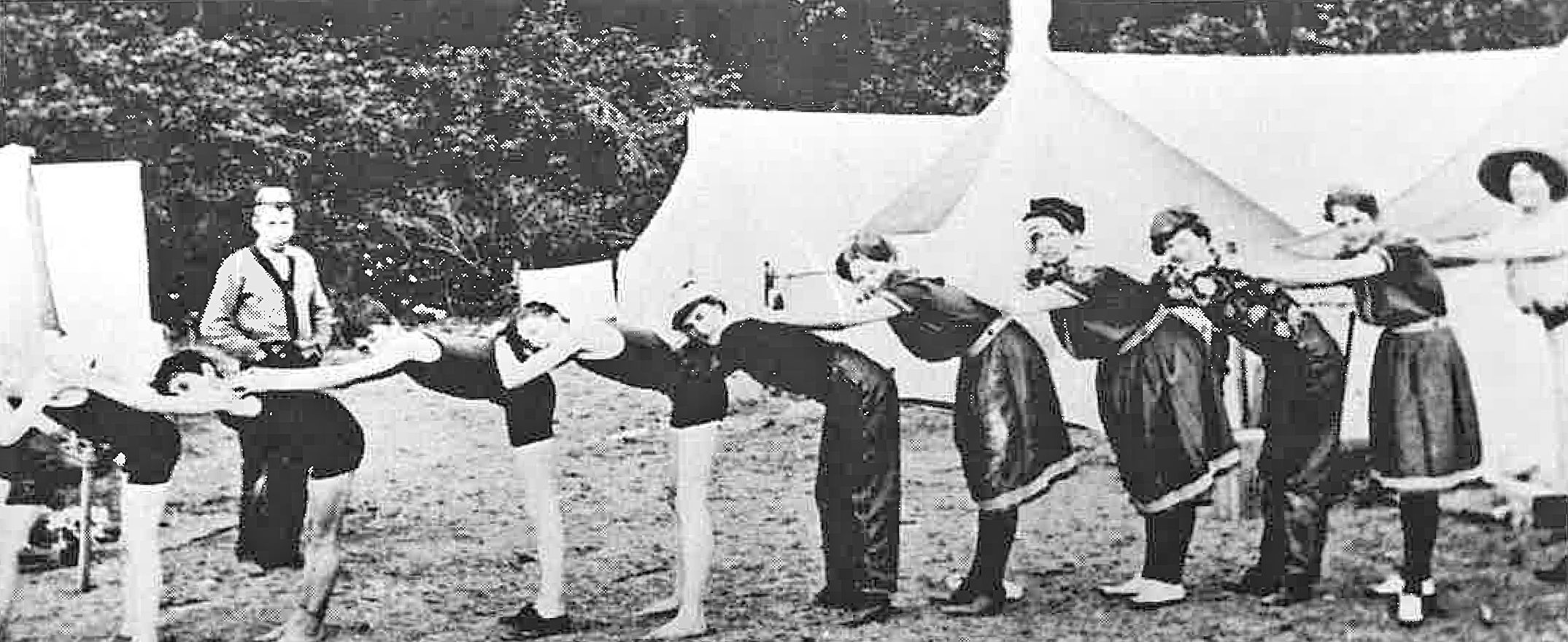
Swim

Rocky Point history on Camano stretches over 100 years, beginning before resorts became popular. The Durgan and Kechum families of Stanwood, above, were among campers who erected rows of tents on the beach. Swim costumes show the fashions of early days.


End of an era

The popularity of Camano resorts peaked in the 1950s. By the early 1960s, the resort scene was fading away.

Resorts in neighborhoods like Utsalady and Madrona were being platted into lots and sold to those with means to build their own summer cottages.

“With the introduction of bigger boat motors and ability of people to afford and trailer their boats, people no longer needed many of the services the resorts could offer,” Prasse wrote in a 1994 Stanwood Camano News article. 

Adding to the demise of Puget Sound recreation was the decline of West Coast salmon runs due at least in part to barriers to fish passage, loss of estuary habitat, pollution and over-fishing.

By the 1970s, most smaller resorts on Camano Island gave way to private development or, as business fell off, became unprofitable and closed.


Cama Beach

Cama Beach, a former logging camp on Camano Island and later a resort, was placed on the National Register of Historic Places in 2001. The graceful 1-mile shoreline was part of 500 acres bought and developed by LeRoy Stradley, a Seattle pioneer who had many business interests in the early 1930s.


Lasting legacies

Not all faded away, however.

Two of the biggest and most popular resorts on Camano Island still exist today, much as they did almost a century ago.

Herb Davis opened Camp Grande in 1927 on the northwest side of the island.

It was a gem of a resort on nine waterfront acres with 24 cabins, a campground, boathouse, rec hall, rental boats, fishing pier and a store that was enjoyed by families for generations.

In 1956, the Bast family purchased it.


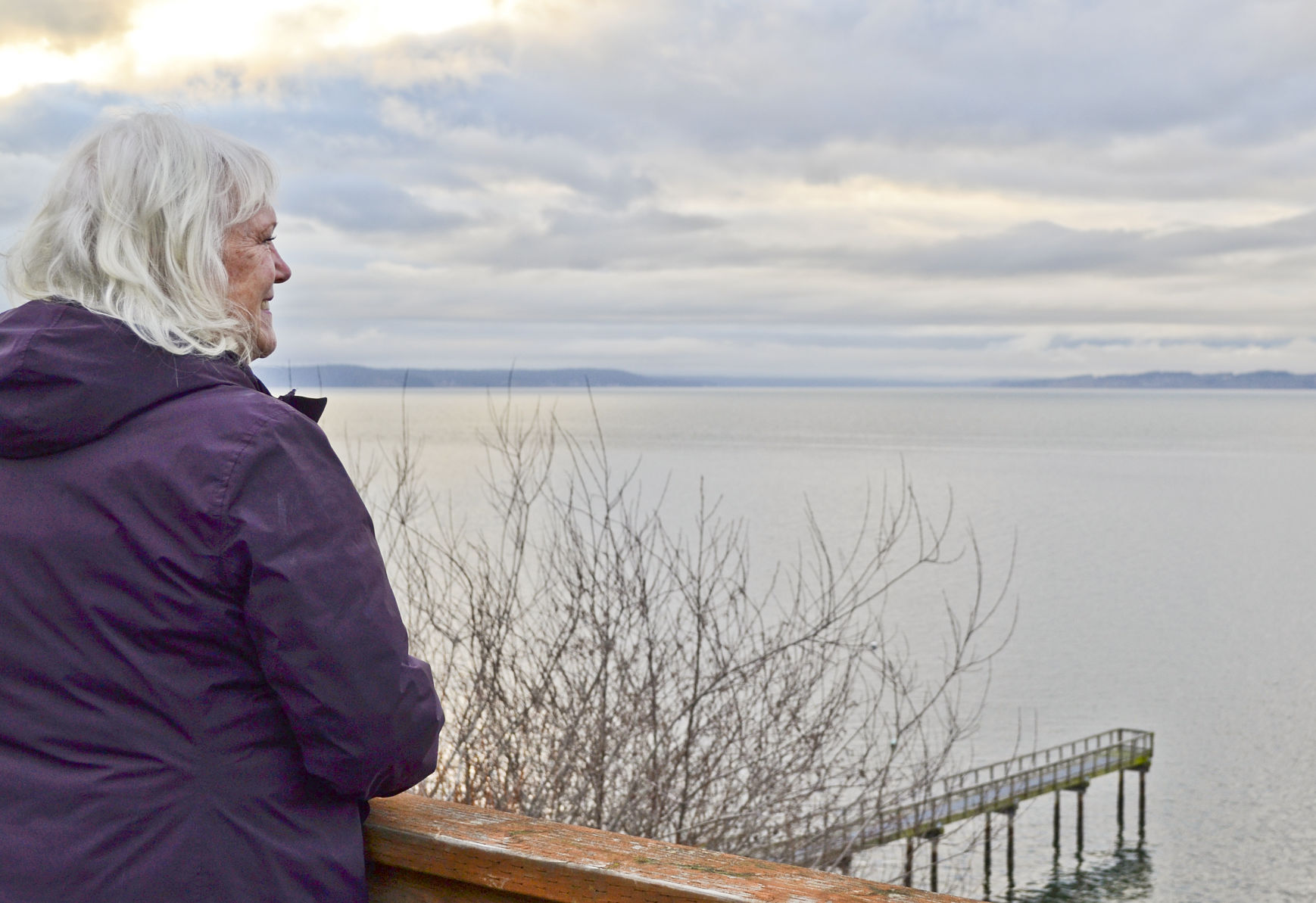
grand3.jpg

Laurie Andersen is one of the owners of Camp Grande on the northwest corner of Camano Island — one of the last remaining resorts that become popular on the island a century ago.


“Margaret and John (Bast) ran Camp Grande until 1970, when they sold it. The buyers had plans to turn it into a condominium development,” Dorsey wrote.

Those plans fell through, and the aging resort remained vacant until 1976.

That’s when 40 friends — most of who had spent their childhoods summering at the resort — sprang into action.

“The property had been vacant for years and, sadly, many of the cabins and other buildings had been vandalized,” said Laurie Andersen, one of the owners. “Everyone had such fond memories and wanted to save the resort. An association was formed and families invested to buy Camp Grande and restore it to its former glory.”

The ownership group operates much like a time-share, she said.

“Every family pays membership fees and has shares that entitle them to certain cabins at certain times of the year,” said Anderson, whose family, including her grandkids, enjoy Camp Grande every summer without fail. “It is truly a slice of heaven. I’m just so grateful that this very special part of Camano’s history was saved.”

Farther south on the west side of the island is Cama Beach Resort.


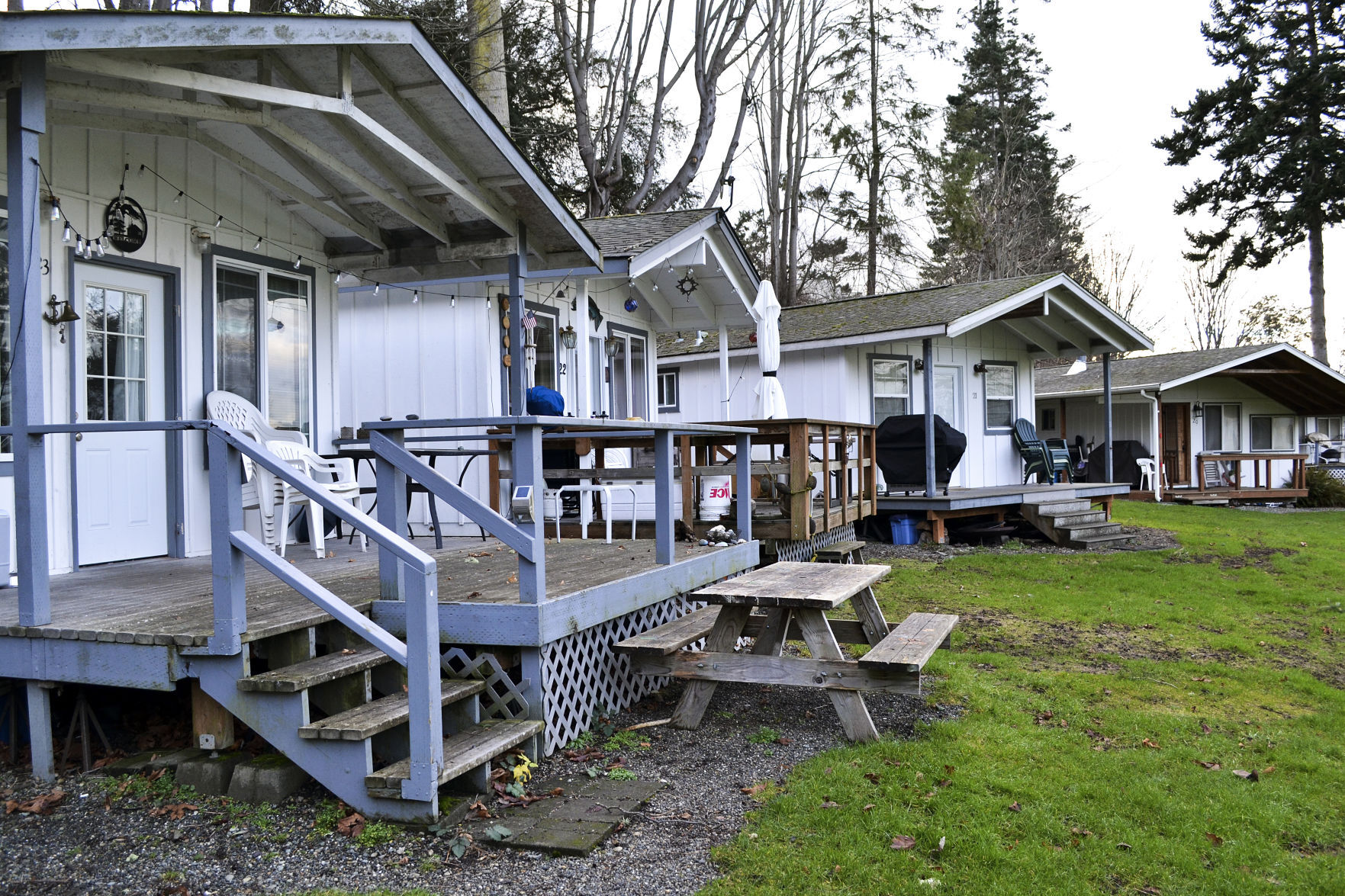
grand4.jpg

Camp Grande on the northwest corner of Camano Island is one of the last remaining resorts that become popular on the island a century ago.


With its more than 400 wooded acres and almost a mile of shoreline, Cama Beach Resort, which opened in 1934, was not only one of the biggest and most popular resorts, it also lasted the longest — until 1989.

The resort was developed as a getaway that catered to average-income Seattle-area families with amenities that included dozens of comfortable cabins, boat rentals, a rec hall, gas pumps and a store with all the basics for beachfront fun.

Much has been written about Cama Beach, including the comprehensive “Cama Beach: A Guide and A History,” by Gary Worthington. He is married to Sandra Risk Worthington, whose family founded the resort.


Cama Beach

Cama Beach, a former logging camp on Camano Island and later a resort, was placed on the National Register of Historic Places in 2001. It is now a state park.


Sandra Risk Worthington and her sister Karen Risk Hamalainen, with the help from state agencies and community groups such as Friends of Cama Beach, helped convert Cama Beach Resort to a Washington State Park in 2008.

Even after extensive renovations, Cama Beach State Park retains much of the rustic charm of the resort and is regularly extolled as a top vacation spot in Washington.

Shortly after it opened, Sunset Magazine wrote, “Washington State Parks resuscitated this beloved cluster of ’30s-era cabins set between forest and sea last year, and ever since, it’s been a go-to destination for anyone seeking a taste of the simple life.”

Overall, Worthington said he and his wife are pleased with the way things have turned out.

“We feel that Cama Beach State Park is a wonderful place for families and that it has definitely retained its old-time character,” he said. “Also, park management has also done a good job in making sure that environmentally sensitive practices are followed.”

The Worthingtons are delighted with improvements to the park.

“Sandra and I think that amenities such as the Center for Wooden Boats, the Winterfest programs and the beautiful quilts in the cabins make Cama Beach State Park something we can all be proud of.”

They also enjoy all the new trails, including one that connects Cama Beach to Camano Island State Park — another recreational treasure whose development was accomplished in just one day in June 1949 by an army of 1,000 local volunteers.


Cama Beach

Cama Beach, a former logging camp on Camano Island and later a resort, was placed on the National Register of Historic Places in 2001. The graceful 1-mile shoreline was part of 500 acres bought and developed by LeRoy Stradley, a Seattle pioneer who had many business interests in the early 1930s.


A bygone era

Although the heyday of beach resorts on Camano Island is long gone, there are remnants of the past around the island.

Old cabins have been moved and reclaimed as homes in neighborhoods such as Madrona and Utsalady, and even a few old outbuildings can be spotted.

Near sites where resorts once stood at Utsalady Beach, Maple Grove and Mabana Beach, public access to the beach and boat launches can be found thanks to the resorts.

Certainly much has changed since Eddie Bauer boasted to the world about Camano Island in the 1920s.

However, many would agree that the long-ago resort advertisements touting the island as “A Delightful Spot on the Sound” is just as true today as it was 100 years ago.


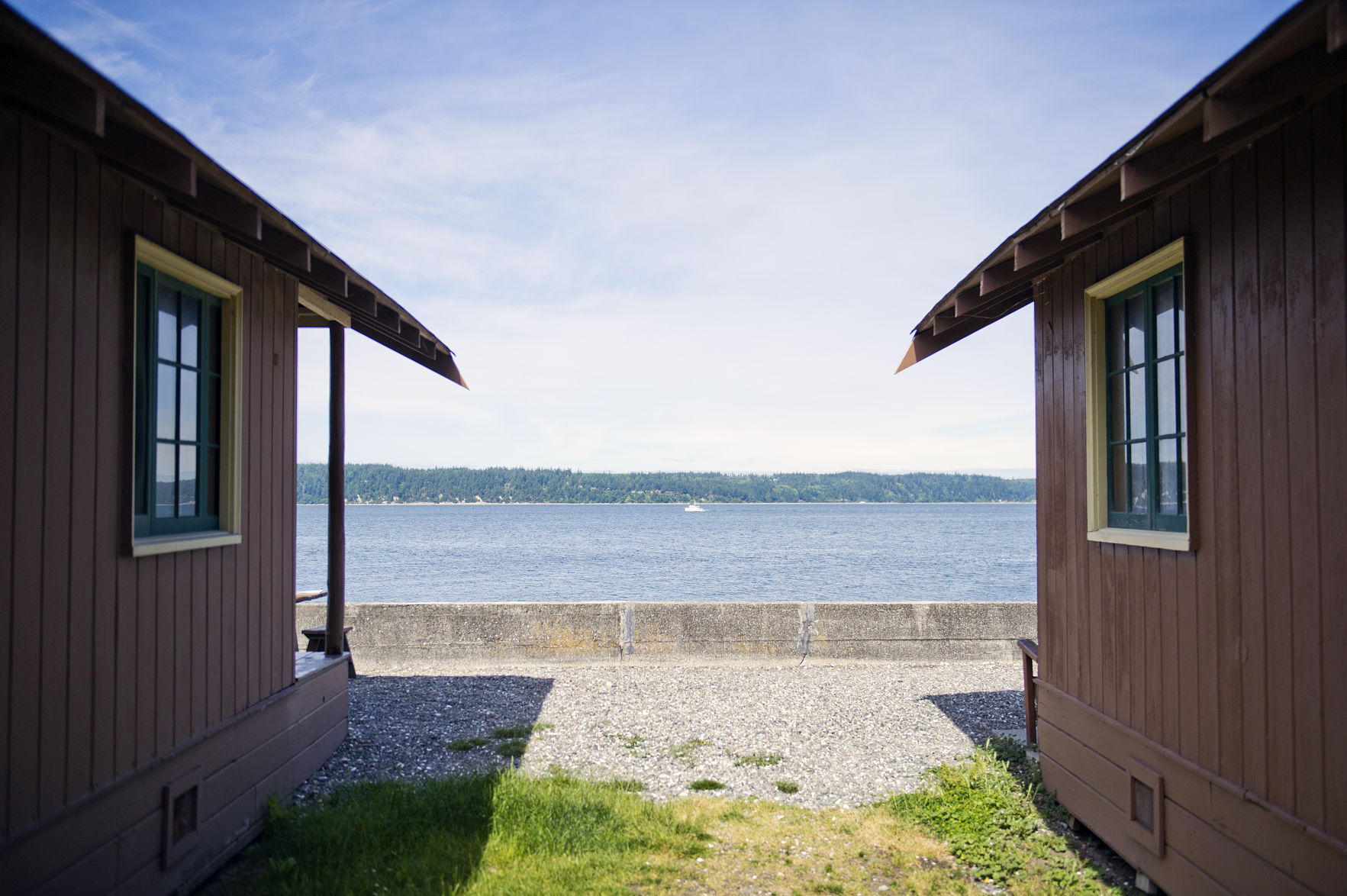
Cama Beach_35.jpg

Cama Beach, a former logging camp on Camano Island and later a resort, was placed on the National Register of Historic Places in 2001. It is now a state park.