How Long Does It Take to Complete a Type Rating Course?
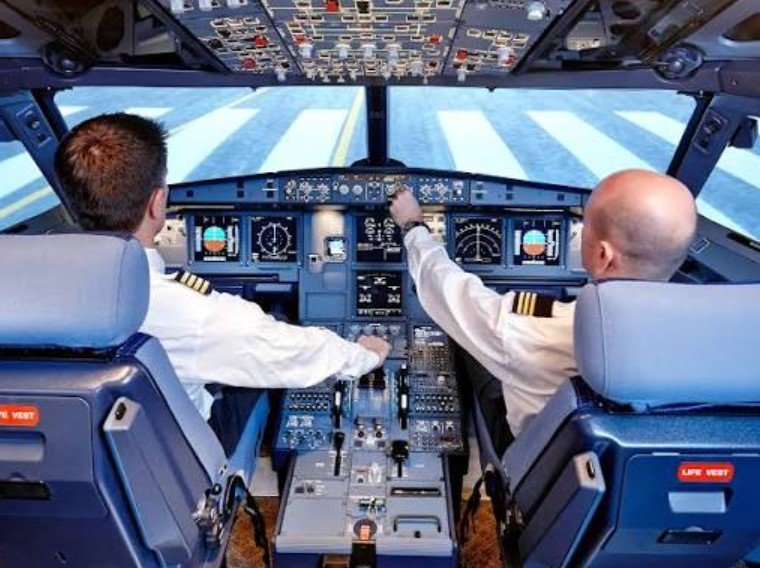
Completing a full type rating course typically takes three to six weeks of intensive, full-time study and simulator training. Transitioning to a multi-crew commercial jet or turboprop demands complete mastery of complex aircraft systems, standard operating procedures, and emergency management. Aviation authorities require rigorous instruction to ensure pilots operate sophisticated flight decks with total precision. Ground school tuition, simulator sessions, and practical evaluations follow a strict timeline designed to build complete operational confidence in minimum time.
Key Factors That Influence Your Training Duration
Several operational and personal variables determine how quickly a candidate completes type rating certification.
- Prerequisite Flight Experience: Experienced pilot applicants with substantial multi-crew cooperation background adapt quickly to complex glass cockpits.
- Simulator Availability: Uninterrupted access to Level D simulators keeps training schedules moving smoothly without unexpected delays.
- Training Route Selected: Zero flight time training programs allow experienced pilots to skip physical aircraft base training entirely.
- Individual Preparation: Thorough self-study of flight manuals prior to day one speeds up classroom comprehension dramatically.
Phase One: Ground School and Systems Familiarization
The first two weeks of B737 NG Type Ratings focus heavily on theoretical instruction, cockpit layout, and aircraft systems integration. Student pilots spend long hours in classrooms or computer-based training modules learning hydraulic networks, electrical buses, flight management computers, and environmental control systems. Mastering these technical foundations is required before stepping into a multi-million-dollar flight simulator.
Instructors emphasize standard operating procedures, limitations, and memory items during this phase. Trainees practice normal checklists and emergency drills on flat-panel trainers or fixed-base devices. Memorizing panel layouts and system responses early accelerates progress when real-time simulator training begins.
Phase Two: Full Flight Simulator Training and Skill Tests
Simulator training spans roughly two to three weeks and represents the core of the rating syllabus. Trainees log dozens of hours in Level D full flight simulators, experiencing hyper-realistic motion, visuals, and flight dynamics. Training sessions cover instrument approaches, steep turns, crosswind landings, and complex failure management across diverse weather conditions.
Every simulator session builds toward a comprehensive practical skill test administered by a designated examiner. Pilots demonstrate precise control during engine failures, hydraulic degradations, and low-visibility operations. Passing this practical evaluation certifies that a pilot reacts instinctively and accurately under demanding flight conditions.
Phase Three: Aircraft Base Training and Line Flying Under Supervision
After passing the simulator evaluation, pilots complete actual aircraft takeoffs and landings, known as base training, unless certified under zero flight time training programs. Base training involves performing multiple touch-and-go landings in an empty commercial airliner alongside a qualified flight instructor. This step confirms real-world handling characteristics before carrying passengers.
The final operational step involves line flying under supervision with an airline training captain. New type-rated pilots operate scheduled revenue flights over several weeks to accumulate required sector hours. Once signed off by senior check airmen, the pilot enters full line duty independently.
Conclusion
Completing a type rating course requires a dedicated investment of time, discipline, and intense focus over three to six weeks. By structuring instruction into clear theoretical, simulator, and practical flying phases, flight academies ensure candidates meet world-class safety standards. Factors like previous flight experience, preparation, and training center scheduling influence overall course length, but the end result remains identical. Earning a type rating equips aviators with the specialized skills needed to command advanced commercial aircraft safely and effectively across global aviation networks.